
The short answer
A business built on recommendations has usually earned them. The problem is not quality. It is control. You cannot make a referral happen this month, you cannot choose who is referred, and when two key introducers retire or move on, the pipeline goes with them.
The answer is not to replace referrals. It is to add sources of enquiries that respond to effort, so the quiet months are no longer down to luck.
Why referrals plateau
- Your network has a finite size, and you have already been introduced to most of it.
- Referrals arrive unevenly, so planning and hiring are guesswork.
- They tend to resemble your existing customers, which makes moving up-market hard.
- They depend on a few people. When those people change roles, the flow stops.
- Because they close easily, nobody builds a sales process, so other leads then convert poorly.
Check how dependent you are
| Question | A warning sign |
|---|---|
| Where did your last ten customers come from? | Eight or more were referrals |
| How many came from people who have never met you? | None |
| If your top two introducers stopped, what would happen? | Enquiries would halve |
| Can you predict next quarter's enquiries? | No |
| Do you record where each enquiry came from? | No |
First: make referrals deliberate
Before adding anything new, get more from what already works. Most firms never actually ask.
- Ask at the moment a customer is most pleased, not at the end of a contract.
- Be specific about who you want to meet: 'another firm your size in manufacturing'.
- Make it easy with a short paragraph they can forward.
- Thank every introducer, whether or not it becomes work.
- Keep a list of your introducers and stay in touch with them.
The three channels to add
| Channel | What it does | Time to first results | Ongoing effort |
|---|---|---|---|
| Search | Puts you in front of people already looking | Three to nine months | Low once built |
| Direct outreach | Starts conversations with businesses you choose | Two to six weeks | Weekly |
| Reactivation | Returns to past enquiries and customers | Days to weeks | Monthly |
1. Search: be found by strangers
Referred prospects look you up before they call. So do people who have never heard of you. A clear website, a complete Google Business Profile and a few genuinely useful pages mean that the people searching for your service in your area can find and choose you. It is slow to build and lasts. See our practical guide to local SEO.
2. Direct outreach: choose who you talk to
Outreach is the one channel where you pick the customer. Build a short list of businesses you would like to work with, find the right person and send a relevant, respectful message. Done properly it is the fastest way to start conversations. Done lazily it is spam. Our guide to cold email vs LinkedIn outreach compares the two main routes.
3. Reactivation: the leads you already paid for
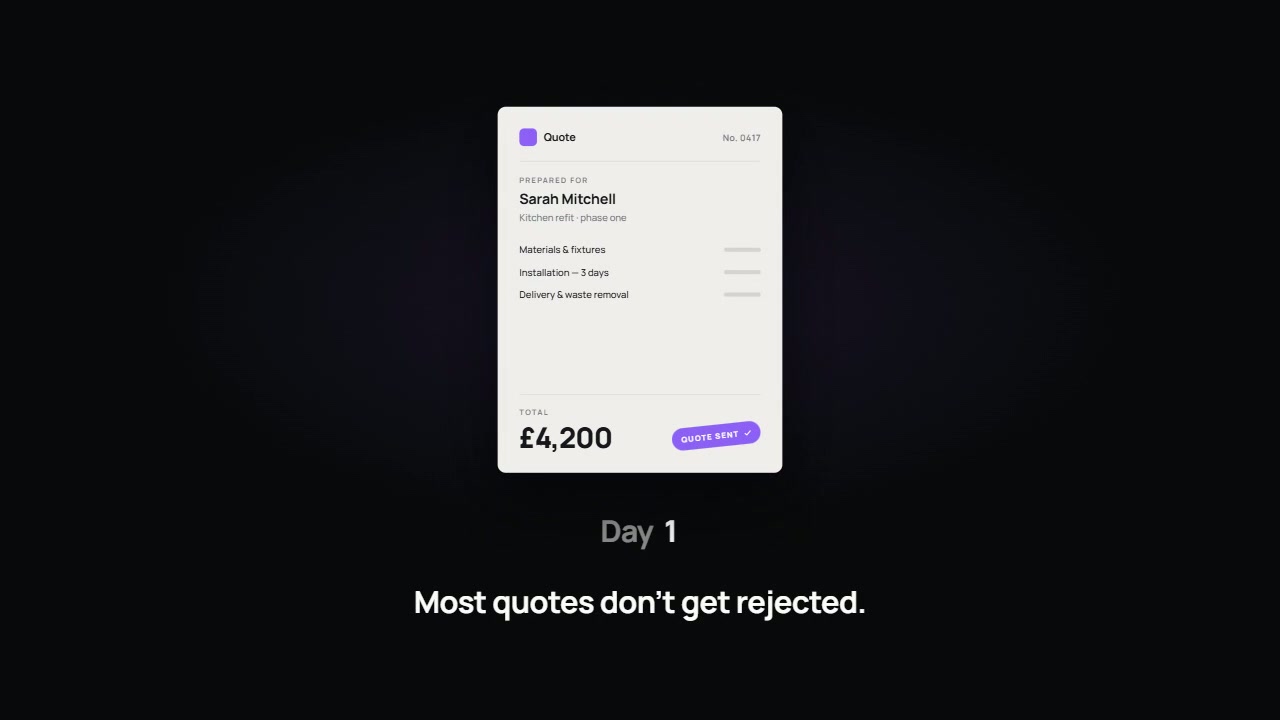
Every business has old quotes that went quiet, enquiries that were never followed up and customers who bought once. These people already know you. A short, personal message to that list is usually the quickest source of new work available.
How long each takes
| Month | Reactivation | Outreach | Search |
|---|---|---|---|
| 1 | First conversations | List and messages prepared, first sends | Profile and site fixes |
| 2 to 3 | Repeat quarterly | Steady weekly conversations | Early movement |
| 4 to 6 | Ongoing | Refined by what converts | First enquiries from strangers |
| 7 to 12 | Ongoing | Predictable | A steady, compounding source |
This is why the order matters. Start reactivation and outreach for results now, and search for results later.
Fix what happens after the enquiry
Referred leads forgive slow replies and vague proposals because someone they trust vouched for you. Strangers do not. Before adding channels, make sure every enquiry is recorded, answered the same day and followed up more than once. Our guide on why your business gets enquiries but not enough customers explains the common gaps.
A hypothetical example
Imagine a firm of architects that has grown for ten years on recommendations from two builders and a planning consultant. Enquiries are good but lumpy, and almost all are house extensions. The firm wants more commercial work. It asks its three introducers for specific commercial introductions, writes to forty old enquiries that never proceeded, builds a list of sixty local developers to contact personally, and adds two pages to its website showing commercial projects. Six months later referrals still matter, but they are no longer the only door.
What it costs
Reactivation costs time. Outreach costs time plus tools, or a fee if you outsource it. Search costs time or a specialist's fee, front-loaded. The comparison that matters is cost per new customer against what a customer is worth, measured per channel.
What to measure
- Share of new customers by source, each quarter.
- Enquiries from people with no prior connection.
- Response time to new enquiries.
- Conversion rate by source.
- Whether next quarter's enquiries can be estimated.
A healthy target is no single source providing more than about half of new business.
A reactivation message you can adapt
Keep it short, personal and easy to answer. Something like: 'We spoke last spring about your office refit and the timing was not right. I wondered whether it is back on the agenda this year. If so, I would be glad to pick it up. If not, no problem at all.' Use the person's name, refer to the actual conversation, and ask one question. Send these individually, not as a newsletter.
Common questions
Will this cheapen a reputation built on recommendations?
Not if it is done with the same care. Relevant, honest outreach and a helpful website reinforce a good reputation.
We are too busy for marketing. What then?
That is exactly when to build it. Reactivation and referrals take an hour a month. Start there.
Which should we start with?
Reactivation, because the list already exists and results are quick.
How does this fit a wider plan?
It is one part of a predictable B2B lead generation system.
Can you help us see where the gaps are?
Yes. A free 24-hour audit can include how easy you are to find and what happens after an enquiry.
Want this applied to your website?
George or Nicholas will record a personal walkthrough of your site within 24 hours.
Not ready for an audit? See Lead generation.